
Most people see escorts in Paris as shadows in luxury hotels or fleeting figures in upscale neighborhoods like Saint-Germain or Le Marais. But behind the curated Instagram posts and discreet WhatsApp messages is a real, complex life - one shaped by independence, risk, and quiet resilience.
It’s Not About the Money, It’s About Control
Many assume women working as escorts in Paris do it because they’re broke. That’s rarely true. Most have degrees, side gigs, or savings. They choose this because it gives them something few jobs do: total control over their time, their boundaries, and their income.
One escort I spoke with - let’s call her Léa - works three days a week. She books clients through a vetted platform, sets her own rates (€300-€800 per hour), and never takes a client who doesn’t pass her background check. She lives in a small apartment in the 15th arrondissement, owns a vintage Citroën, and travels to Morocco every winter. Her monthly earnings? Around €12,000. She pays taxes. She has a bank account. She’s not hiding. She’s just not talking about it at family dinners.
The real draw? No boss. No overtime. No performance reviews. You show up when you want, leave when you’re done, and keep every euro. In a city where rent for a one-bedroom can hit €2,500 and minimum wage is €1,740 a month, that kind of autonomy is rare - and valuable.
The Rules Are Strict - And Non-Negotiable
Paris isn’t Las Vegas. There’s no legal brothel system. Escorts operate in a legal gray zone. The act of exchanging money for sex isn’t illegal, but pimping, soliciting in public, or running a brothel is. That means everything happens behind closed doors - and with layers of safety protocols.
Every serious escort has a checklist: ID verification for clients, no alcohol before meetings, always meet in public first (coffee shop, hotel lobby), never go to a client’s home unless they’ve been vetted over multiple sessions, and always tell a trusted friend where you are and who you’re with.
Some use apps like ParisEscorts a discreet, member-only platform that verifies identities and allows clients to leave reviews without revealing names. Others rely on word-of-mouth through private networks. The most successful ones avoid social media entirely. A single photo posted in the wrong context can ruin a career - or worse, invite harassment.
And yes, there are bad clients. One escort described a man who showed up drunk and tried to record her without consent. She ended the session immediately, reported him to the platform, and blocked him. Within 48 hours, three other women confirmed they’d had the same experience. That’s how the community protects itself: quietly, collectively, and without police involvement.
The Loneliness Nobody Talks About
It’s easy to think this job is all glamour - designer dresses, Michelin-starred dinners, luxury cars. But the emotional toll is heavier than most realize.
You’re constantly performing. You smile. You listen. You make small talk about art, travel, or the weather - even when you’re exhausted. You learn to detach emotionally, but that detachment doesn’t always turn off when the client leaves.
Many escorts in Paris suffer from chronic loneliness. They can’t tell friends or family. They can’t date openly. Romantic relationships often fail because partners can’t handle the secrecy - or worse, feel threatened by the financial independence.
Some join support groups. There’s a private Facebook group with 1,200 members across France, mostly women in their late 20s to mid-40s. They share tips on legal rights, mental health resources, and how to handle police checks. They don’t post photos. They don’t share last names. But they show up - every day - to say, “I’m still here.”
The Hidden Economy of Paris
Paris isn’t just about the Eiffel Tower and croissants. It’s also a hub for high-end, discreet services that fuel a quiet economy. Escorts aren’t the only ones - there are private chefs, personal trainers, concierges, and therapists who work under the radar.
But escorts are unique. They’re often the only ones who interact with clients on a deeply personal level - without the stigma of therapy or the formality of business. They hear confessions. They offer comfort. They’re paid to be present.
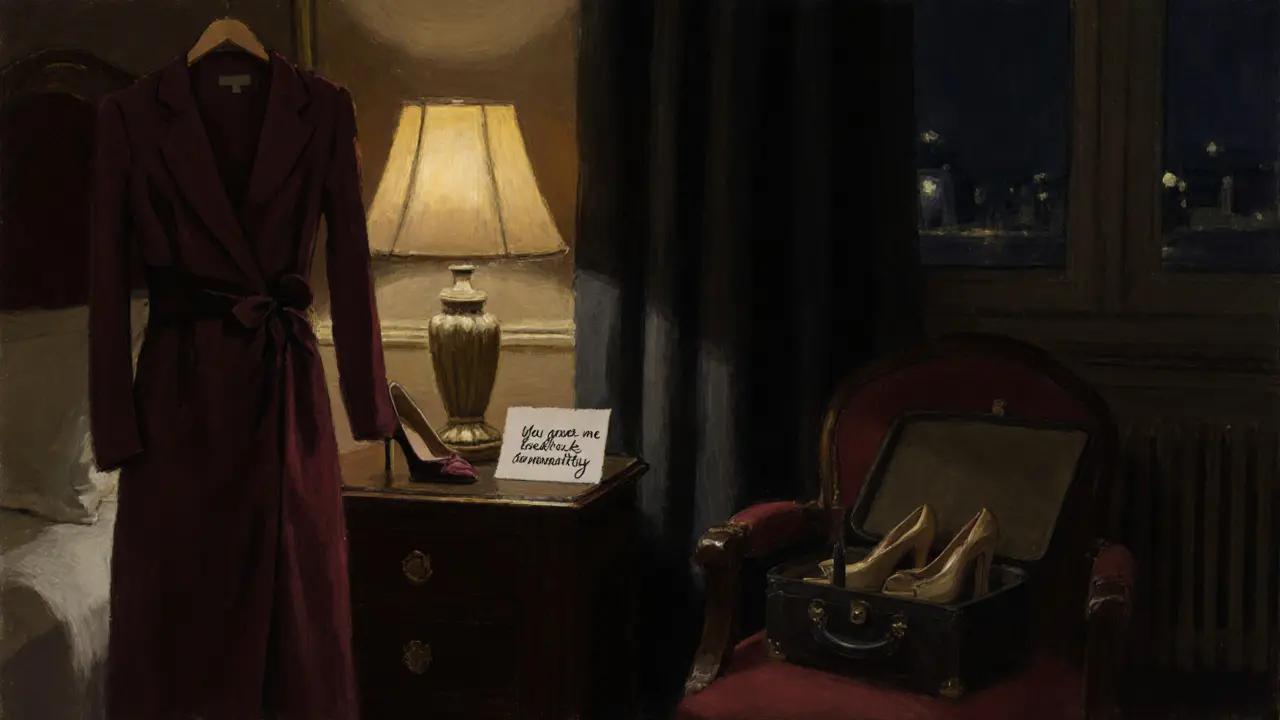
One client, a 62-year-old Swiss businessman, told an escort he came to Paris every month because he hadn’t been hugged in two years. She didn’t sleep with him. She just sat with him. Held his hand. Let him cry. He paid her €600 and never asked for more. She kept his note: “You gave me back my humanity.”
This isn’t sex work. It’s emotional labor. And it’s everywhere - in the quiet corners of the city, in hotel rooms with blackout curtains, in taxis driven by women who know exactly where to drop off their passengers.
What Happens When You Want Out?
Most escorts don’t plan to do this forever. Some leave after a year. Others stick around for a decade. The exit strategy matters.
Many use their earnings to fund education. One woman saved €80,000 over five years and went back to school for psychotherapy. Another opened a small boutique in Montmartre selling vintage French linens. A third moved to Lisbon and now runs a digital marketing agency.
But leaving isn’t easy. There’s shame. Fear of judgment. Financial instability if you’ve built your life around irregular income. Some hire career coaches who specialize in transitioning out of adult work. Others work with NGOs like Les Femmes du Monde a Paris-based nonprofit that offers legal aid, counseling, and job training to women in the sex industry.
The biggest hurdle? Rebuilding your identity. When your entire social circle knows you as “the escort,” it’s hard to be seen as anything else. But it’s possible. And more women are doing it now than ever before.

It’s Not a Choice - It’s a Reality
People love to debate whether escort work is empowering or exploitative. The truth? It’s both. And it depends on the person, the conditions, and the control they have.
In Paris, the women who thrive aren’t the ones chasing luxury. They’re the ones who treat this like a business - with contracts, boundaries, insurance, and exit plans. They don’t need your approval. They don’t need your pity. They need you to stop assuming you know their story.
They’re mothers, artists, linguists, coders, and travelers. They pay their bills. They vote. They have pets. They get sick. They laugh. They cry. They’re not ghosts. They’re women living a life most people will never understand - and that’s okay.
You don’t have to like it. But you should stop pretending it doesn’t exist.
Is it legal to be an escort in Paris?
Yes, selling sexual services privately between consenting adults is not illegal in France. But advertising, soliciting in public, brothel-keeping, and third-party involvement (like pimps or agencies that take a cut) are all criminal offenses. That’s why most escorts work independently through vetted platforms or private networks.
How do escorts in Paris find clients?
Most use discreet, membership-based platforms like ParisEscorts or private referrals from trusted clients. Social media is avoided because it increases risk. Some rely on word-of-mouth within tight-knit communities. The key is anonymity and verification - never meeting strangers without background checks.
Do escorts in Paris pay taxes?
Many do. Since their income is technically legal, they can declare it as self-employment. Some use accounting services that specialize in discreet income. Others choose not to declare it due to fear of exposure. But those who do pay taxes often have better access to banking, loans, and long-term financial security.
What are the biggest risks for escorts in Paris?
The biggest risks are exposure (loss of privacy, job, or family relationships), unsafe clients, and lack of legal protection. Because the work exists in a gray zone, police won’t help if a client steals money or threatens violence. That’s why safety protocols - like meeting in public first, using verified platforms, and having a check-in system - are non-negotiable.
Can you make a long-term career out of escorting in Paris?
Yes - but not as a lifelong job. Most use it as a stepping stone. Earnings fund education, travel, or small businesses. Some transition into related fields like erotic writing, coaching, or private consulting. The goal isn’t to stay in the industry forever - it’s to build freedom while you’re in it.
What Comes Next?
If you’re curious about this world, don’t romanticize it. Don’t fear it. Just understand it.
There are women in Paris right now - in apartments, in hotels, in taxis - making choices that keep them safe, independent, and in control. They’re not broken. They’re not desperate. They’re just living.
And maybe that’s the most important secret of all: this isn’t about sex. It’s about freedom.