Escort History in Paris
When talking about Escort History, the chronological development of escort services in Paris, covering cultural, legal, and economic shifts. Also known as history of escort services, it gives the backdrop for today’s market.
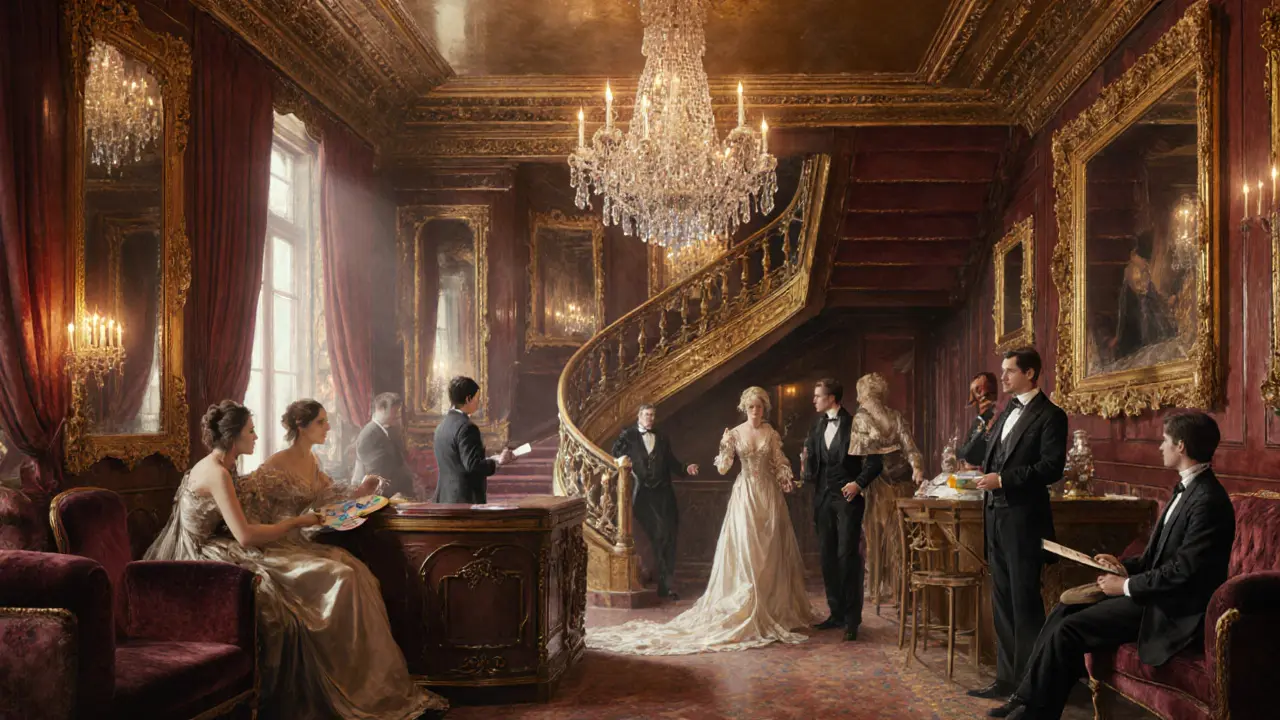
In the same breath, Paris escort industry, the network of professional companions operating in the city, shaped by local laws and cultural attitudes emerged from 19th‑century courtesans who mingled with artists and aristocrats. Those early figures forged a reputation for elegance that still colors modern branding. Over the decades, changes in French legislation, from the 1946 law on prostitution to recent municipal regulations, redefined what’s legal and what’s tolerated. Social attitudes moved from scandalous whispers to a more open discourse, especially after the 1970s sexual revolution. This evolution shows that escort history isn’t a static timeline; it’s a living record of how society, economics, and personal freedom intersect. The relationship can be summed up as: Escort History encompasses the rise of the Paris escort industry, requires understanding of legal frameworks, and influences modern companionship services.
Key Themes Shaping the Narrative
One major driver of recent change is Technology in escort industry, the suite of digital platforms, verification tools, and online payment methods that connect companions with clients. Apps and websites now handle booking, screening, and even virtual meetings, cutting down risk and boosting efficiency. Crypto payments add a layer of discretion while AI‑based verification reduces fraud. At the same time, technology forces escorts to manage online reputations, navigate privacy settings, and stay ahead of platform policy shifts. The semantic link is clear: Escort History requires embracing technology to stay relevant, and technology influences safety standards, client expectations, and market reach.
Parallel to the tech surge, the market has seen a boom in Luxury escort services, high‑end companionship offerings that cater to affluent clients through exclusive experiences and premium branding. Business travelers, celebrities, and high‑net‑worth individuals now seek companions who can double as cultural guides, network facilitators, and personal wellness partners. This rise ties directly to the city’s luxury sector—fashion weeks, gala events, and five‑star hotels—all of which provide venues for discrete, upscale encounters. The connection can be phrased as: Luxury escort services are a subset of the Paris escort industry, they influence client demographics, and they demand higher standards of discretion and presentation.
Finally, the COVID-19 impact on escort industry, the pandemic‑driven shifts that forced many escorts to adopt online services, adjust health protocols, and rethink revenue models reshaped the whole landscape. Lockdowns made in‑person meetings rare, pushing many companions toward virtual experiences and remote intimacy. Health certifications, mandatory testing, and enhanced sanitation became non‑negotiable, raising operating costs but also building client confidence. Post‑pandemic, the market has blended the old‑school personal touch with new‑age digital convenience, creating a hybrid model that's likely to stick. This illustrates another semantic triple: COVID-19 impact influences technology adoption, reshapes safety standards, and drives evolution in escort history.
All these threads—legal shifts, tech integration, luxury positioning, and pandemic adaptation—form the backbone of what you’ll explore below. Below you’ll find articles that dive deep into each facet, offering practical tips, real‑world examples, and forward‑looking insights. Whether you’re curious about the past, looking to navigate today’s scene, or planning for tomorrow, the collection ahead gives you a solid foundation to understand the full picture of escort history in Paris.