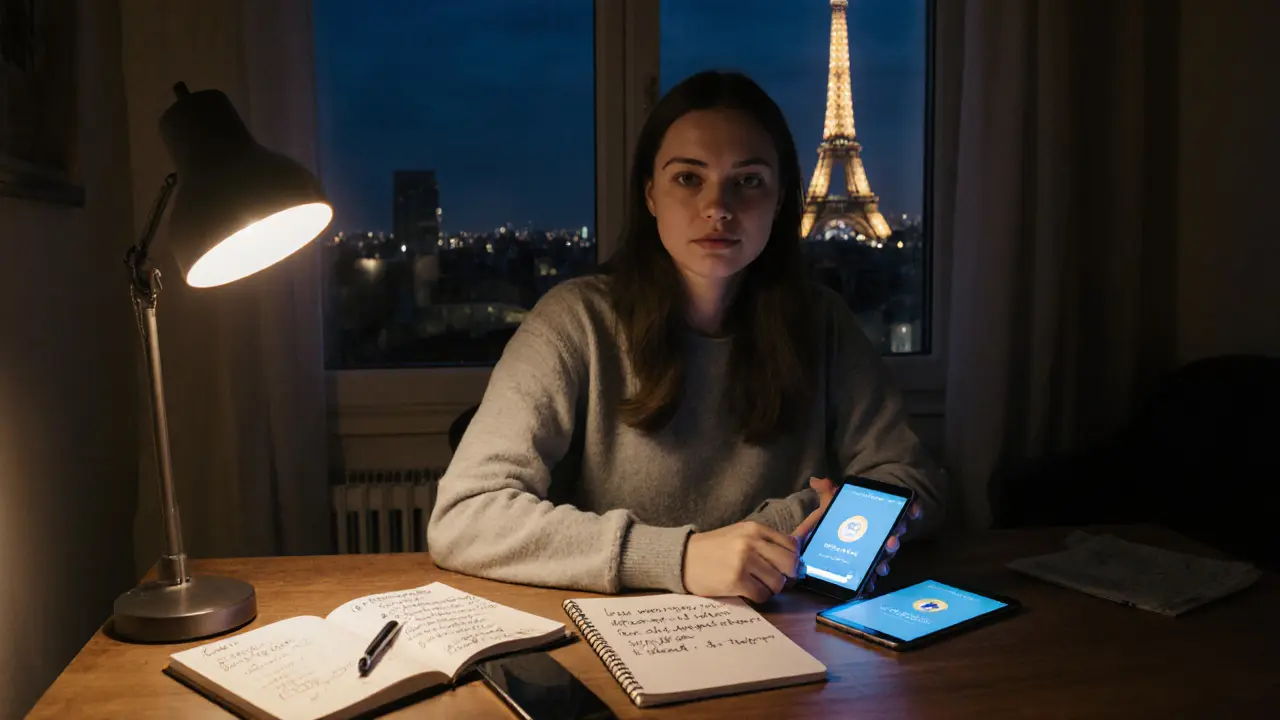
Twenty years ago, finding an escort in Paris meant flipping through paper flyers, making phone calls, or relying on word-of-mouth. Today, it’s all about apps, encrypted chats, and digital profiles. Technology hasn’t just changed how escorts in Paris work-it’s rewritten the rules of the entire industry. From safety to scams, from income to isolation, the shift is real, deep, and often misunderstood.
How Technology Made It Easier to Find Work
Before smartphones and websites, escorts in Paris had to rely on agencies that took up to 50% of their earnings. Many worked long hours for little control. Now, platforms like private booking sites, Telegram channels, and even Instagram profiles let escorts set their own rates, choose clients, and work when they want. A 2024 survey of 217 independent escorts in Paris found that 78% now book directly through digital tools, not agencies. That means more money in their pockets and more control over their schedules.
Apps like Taimi and specific private networks allow escorts to filter clients by location, language, and even interests. One escort in the 16th arrondissement told me she only accepts bookings from men who’ve been verified through LinkedIn or have a clear digital footprint. That level of control was impossible a decade ago.
Increased Safety Through Digital Tools
Safety used to mean carrying a phone with a pre-set emergency contact. Now, it’s layered. Many escorts in Paris use apps like Escort Safety-a free, open-source tool built by former workers-that lets them share live location with trusted friends during appointments. Others use burner phones, encrypted messaging (Signal or Wire), and automatic check-in timers.
Some even record audio or video of the client’s face and voice before meeting, stored securely on encrypted drives. One escort I spoke with said she refuses to meet anyone who won’t send a live selfie with the current date written on a piece of paper. It’s not paranoia-it’s a response to real risks. In 2023, Paris police reported a 42% drop in violent incidents involving independent escorts compared to 2019, a decline they directly linked to increased use of digital safety tools.
The Rise of the Algorithm: Who Gets Seen?
It’s not just about having a profile-it’s about being visible. Platforms now use algorithms to decide who gets shown to clients. Photos with natural lighting, clear faces, and minimal filters rank higher. Profiles with detailed bios (in French and English) get more inquiries. One escort in Montmartre noticed her bookings jumped 60% after she started posting short video clips of herself walking through the Luxembourg Gardens-no talking, just ambiance.
But this creates a new pressure. Escorts are now expected to be content creators, photographers, and marketers. Many spend hours editing photos, writing captions, and replying to messages just to stay relevant. The workday doesn’t end when the appointment does-it just moves to a screen.

Scams and Fraud Are More Sophisticated
With more people going online, more scammers follow. Fake profiles, stolen photos, and phishing links are common. One escort in the 9th arrondissement lost €1,200 after a client sent her a fake payment screenshot from a cloned PayPal interface. Another was tricked into sending private photos in exchange for a “booking deposit” that never arrived.
Even legitimate platforms aren’t safe. Some sites quietly sell user data to third parties. Others ban accounts without warning, deleting years of client history and reviews. There’s no customer service, no appeal process-just silence. Many escorts now keep backup profiles on multiple platforms, just in case one disappears overnight.
Legal Gray Zones Are Getting Tighter
France doesn’t criminalize selling sex, but it does punish advertising, soliciting, and third-party involvement. Technology blurs these lines. Is a private Instagram account advertising? Is a Telegram group a brothel? Police have started using AI to scan public profiles for keywords like “discret,” “soirée,” or “accompagnatrice.” In 2024, over 120 digital profiles were flagged in Paris alone.
Some escorts now avoid using the word “escort” entirely. They use terms like “companion,” “hostess,” or “cultural guide.” Others post only in French, assuming non-French speakers won’t understand the legal risks. But algorithms don’t care about language-they scan images, location tags, and patterns. One escort was shut down after her profile showed her near the Eiffel Tower at 2 a.m. three nights in a row. The system flagged it as “suspicious behavior.”
Isolation and Mental Health in the Digital Age
Technology connects escorts to clients-but it can isolate them from people. Many work alone, communicate mostly through screens, and avoid social gatherings for fear of being recognized. A 2025 study by the Paris-based NGO Les Voix du Métro found that 63% of independent escorts reported feeling lonely “often” or “always.”
Online communities exist-private forums, encrypted groups-but they’re often filled with advice on avoiding arrest, not emotional support. Mental health resources are scarce. Therapy is expensive. Talking to friends is risky. Many cope by working longer hours, hoping the income will fill the emotional gap.
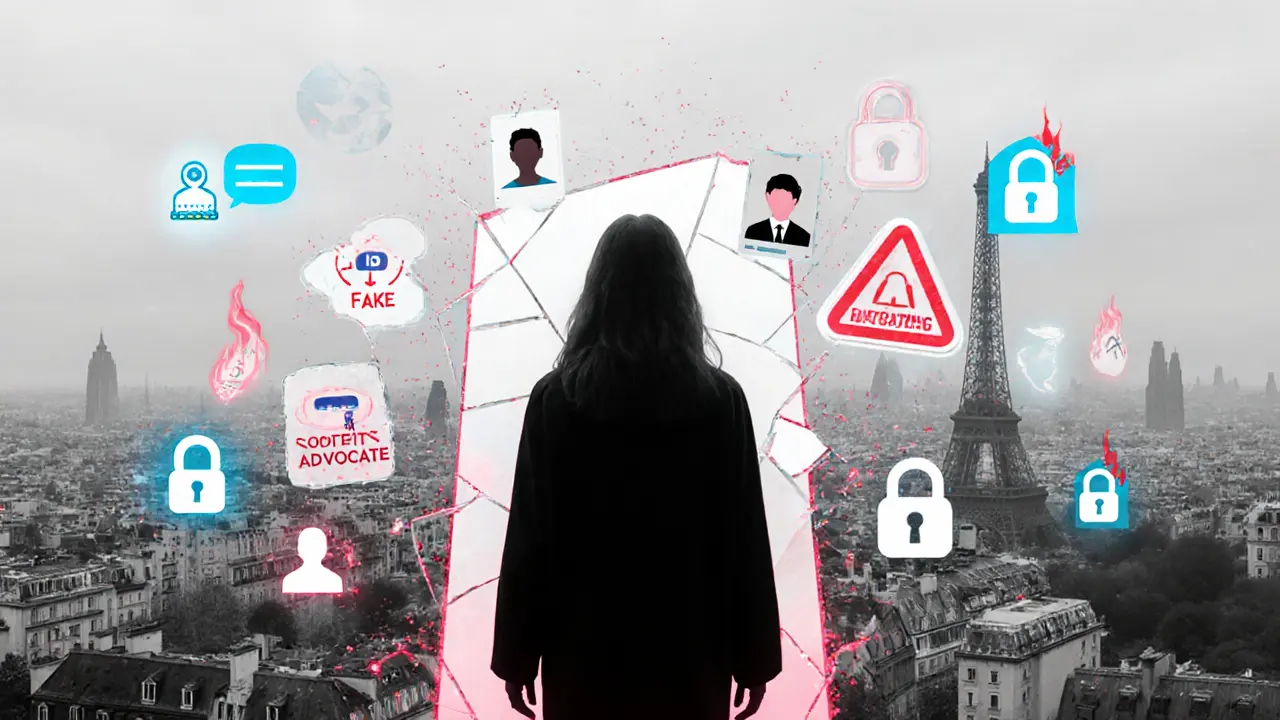
The Future: More Tech, Less Control?
The next wave is AI. Some clients now use chatbots to screen escorts before meeting. Others use facial recognition to verify identities. A few platforms are testing AI-generated profiles that mimic real escorts-complete with photos, bios, and even voice messages. It’s not science fiction-it’s already happening.
On the flip side, some escorts are using AI to automate replies, schedule posts, and even generate personalized messages for clients. One woman in Lyon told me she uses a custom AI tool that writes her messages in the tone of her personality. It saves her 10 hours a week.
But who owns that AI? Who controls the data? What happens when a client’s profile is hacked and used to impersonate someone else? These questions don’t have answers yet.
What It Really Comes Down To
Technology didn’t create the Paris escort industry. But it’s reshaped it in ways no one expected. It gave women more power, more safety, more income-but also more pressure, more risk, and more isolation.
There’s no going back. The old ways are gone. The new tools aren’t perfect, but they’re what people have. The real question isn’t whether technology helped or hurt. It’s whether society is ready to support the people using it-not just as workers, but as humans.
Is it legal to work as an escort in Paris?
Yes, selling sexual services is not illegal in France. But advertising, soliciting in public, and working with third parties (like agencies) are. Most independent escorts avoid using the word "escort" online and rely on private, encrypted communication to stay within legal boundaries. Police focus on public solicitation and organized activity, not individual workers who operate discreetly.
Can I get scammed using escort apps in Paris?
Yes, scams are common. Fake payments, stolen photos, phishing links, and impersonation are all risks. Always use encrypted messaging, avoid sharing personal details early, and never send money or private photos before meeting. Use safety apps like Escort Safety to share your location with a trusted contact. If something feels off, trust your gut-walk away.
Do most Paris escorts work alone or through agencies?
Most now work independently. In 2024, over 75% of escorts in Paris reported booking clients directly through digital platforms. Agencies still exist, but they’re less common because they take a large cut (up to 50%) and control your schedule. Independent work means more freedom-and more responsibility.
How do escorts protect their privacy online?
They use burner phones, encrypted apps like Signal, and avoid posting real names, addresses, or recognizable landmarks. Many use pseudonyms and avoid geotagging. Some delete old posts regularly. Others use AI tools to blur faces or alter voices in videos. The goal is to make it as hard as possible for someone to trace their personal life back to their work.
Is the escort industry in Paris growing or shrinking?
It’s growing, but differently. The number of people working as escorts hasn’t dropped-it’s shifted. More are working independently online than ever before. Demand has increased, especially from international clients. But the risks have also risen, with tighter digital surveillance and more scams. Growth isn’t the same as stability.
What Comes Next?
If you’re thinking about entering the industry, know this: technology gives you tools, but it doesn’t give you safety nets. Learn how to use them well. Build your own system for screening clients. Keep backups. Stay informed. And don’t let the algorithm decide your worth.
If you’re just curious, remember: behind every profile is a person. They’re not a service. They’re not a fantasy. They’re someone trying to survive, thrive, and stay safe in a world that doesn’t always make that easy.