Paris escort industry is a vibrant, high‑end segment of adult entertainment that blends luxury, companionship, and cultural allure in the French capital. Over the centuries, this world has borrowed heavily from the romance, decadence, and rebellion found in French literature. From salon‑café conversations in the 1800s to today’s glossy online profiles, the language of books has been a silent script shaping expectations, branding, and even pricing.
From Salons to Streets: Early Literary Roots
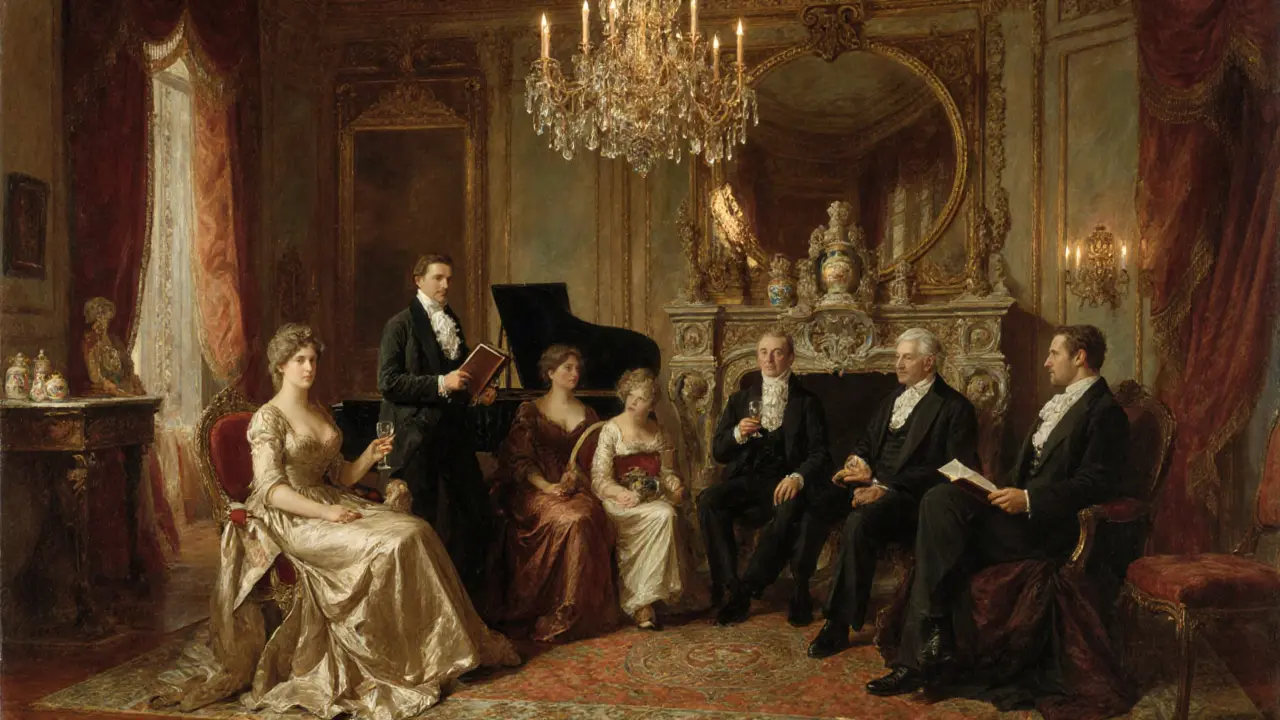
In the early 19th century, Parisian salons were more than just gatherings of intellectuals; they were stages where courtesans and writers performed together. Salon culture offered a safe space for aristocrats, artists, and the city’s most refined companions to mingle. Writers like Charles Baudelaire captured this intermingling in poems that celebrated both beauty and melancholy.
Key Works That Echoed the Escort World
Several novels and poems have become cultural mirrors for the escort trade.
- Les Fleurs du Mal by Baudelaire - its sensual imagery and focus on urban decadence set a tone that modern agencies still invoke.
- Nana by Émile Zola - the titular courtesan’s rise from poverty to fame illustrates a narrative of empowerment that many escorts reference in their branding.
- Les Liaisons dangereuses by Pierre Choderlos de Laclos - the novel’s intricate games of seduction inspired today’s emphasis on intellectual intrigue.
How Literary Themes Translate into Modern Branding
Agencies now use literary references as a way to signal sophistication. A profile that mentions “a muse inspired by Baudelaire’s night‑streets” instantly suggests depth beyond surface beauty. This practice taps into three recurring literary tropes:
- Romantic tragedy - the idea that beauty is fleeting and priceless.
- Intellectual flirtation - echoing the “dangerous liaison” mindset.
- Urban mythos - presenting the city itself as a character, as vivid as any novel.
Clients often respond positively, reporting that a literary hook makes the encounter feel more “artful.”
Language and Advertising: From Page to Profile
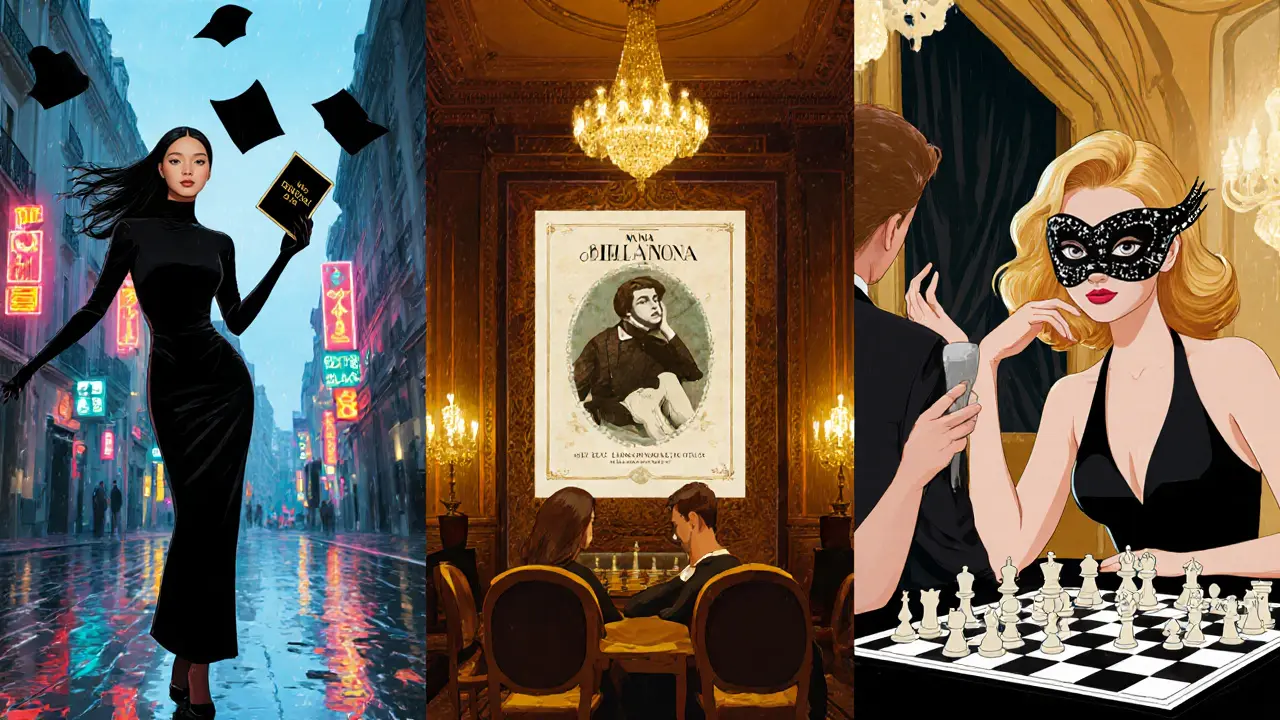
Creative teams craft ads that read like mini‑essays. Phrases such as “a living nana for your evenings” or “channeling the flâneur spirit of 19th‑century Paris” are now standard. This shift mirrors the way 19th‑century pamphlets used poetry to sell poetry readings.
Behind the scenes, copywriters study classic texts to harvest vocabulary that conveys both allure and intellect. They avoid clichés, opting for authentic references that signal genuine appreciation for the source material.
Impact on Client Expectations and Pricing
When an escort references a classic work, clients often anticipate a deeper conversational experience. This expectation can justify higher rates, especially for “literary packages” that include a discussion of the referenced novel. Data from a 2024 industry survey (conducted by the Paris Adult Services Association) showed that 42 % of high‑spending clients chose companions who advertised literary flair, and the average hourly fee for those companions was 15 % above the market median.
Risks and Ethical Considerations
Borrowing from literature isn’t without pitfalls. Over‑romanticizing can obscure the reality of consent and labor rights. Some agencies have faced criticism for using classic works to glamorize exploitation. Ethical operators now include clear statements about consent, ensuring that literary references enhance storytelling without pressuring clients.
Checklist: Adding a Literary Touch Without Overdoing It
- Pick a work that aligns with the escort’s personality, not just a famous title.
- Provide a short, accurate synopsis for clients unfamiliar with the reference.
- Avoid direct quotes that could be copyrighted; use paraphrasing instead.
- Balance literary language with authenticity-don’t force a reference.
- Include a disclaimer that the literary theme is for ambiance, not a guarantee of discussion.
Comparison of Three Influential Works
| Work | Key Theme | Typical Branding Phrase | Client Appeal Metric* |
|---|---|---|---|
| Les Fleurs du Mal | Urban decadence | “A night‑bird echoing Baudelaire’s verses” | 38 % |
| Nana | Rise from poverty to fame | “Channeling Zola’s Nana - elegance forged in the streets” | 42 % |
| Les Liaisons dangereuses | Strategic seduction | “Master of the Laclos game - intellect meets allure” | 35 % |
*Based on client survey responses indicating preference for literary‑themed profiles.
Future Trends: AI‑Generated Literary Personas
Emerging AI tools can craft personalized literary backstories on the fly. While this technology promises efficiency, it also raises questions about authenticity. Agencies experimenting with AI report a 10 % boost in client engagement, but they also flag the need for human oversight to keep the narrative genuine.
Why do escorts reference French literature in their profiles?
Literary references signal sophistication, set a romantic tone, and differentiate the escort from generic listings, attracting clients seeking more than just appearance.
Which classic French works are most commonly cited?
Baudelaire’s Les Fleurs du Mal, Zola’s Nana, and Laclos’s Les Liaisons dangereuses dominate the landscape, each offering distinct mood cues.
Can literary branding affect pricing?
Yes. Profiles that weave in recognized literary themes often command 10‑20 % higher rates because they promise a richer experience.
Are there legal concerns when quoting classic texts?
Works published before 1924 are public domain in France, so direct quotes are safe. For newer editions, paraphrasing is advisable to avoid copyright infringement.
How can agencies ensure ethical use of literary themes?
By pairing literary flair with clear consent statements, avoiding romanticized exploitation, and providing training on respectful storytelling.